
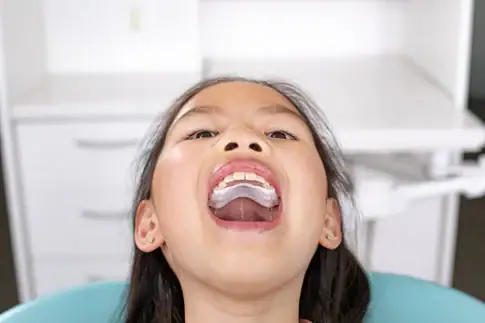
What Is a Retainer and Why Do You Need One?
A retainer is a custom orthodontic appliance that holds your teeth in their new, straightened position after braces or Invisalign. It prevents orthodontic relapse, which is the natural tendency for teeth to drift back toward where they started. Think of it as the final and ongoing phase of your smile work.
The day your braces come off feels like a celebration, and it should. But the short answer to how long you'll wear a retainer? Probably every night for the rest of your life. That's not as bad as it sounds, and this article breaks down exactly why.
Without a retainer, your teeth will gradually shift back toward their original positions. This happens because your bone and soft tissue have "memory." They remember where your teeth used to be and will try to move them back there. This natural shifting, called orthodontic relapse, can undo months or even years of treatment. That's why every patient who completes braces or Invisalign gets a retainer prescription. It doesn't matter if you're a teen who just got your braces off or an adult finishing Invisalign treatment. Retainers are non-negotiable for everyone.
Your retainer should be fitted right after your braces come off or your final aligner is complete. From that moment forward, it keeps everything locked in place from day one.
Retainer Wear Timeline: From Full-Time to Nighttime Only
Most patients wear a retainer full-time (about 22 hours per day) for 3 to 6 months after braces or Invisalign, then transition to nighttime-only wear indefinitely. According to the American Association of Orthodontists, retention is recommended indefinitely after orthodontic treatment. Teeth never stop shifting, so long-term retention is essential.
Right after treatment ends, this full-time phase gives your bone time to stabilize around your teeth's new positions. Consistent wear lets everything settle properly.
After the full-time phase, most patients transition to nighttime-only wear. This is where the real commitment begins. Many orthodontists recommend wearing your retainer at night indefinitely. Yes, that means for the rest of your life.
The reason is simple: teeth never stop moving. Even people who've never had braces experience gradual tooth shifting as they age. For someone who's had orthodontic treatment, this natural tendency is even more pronounced. Your teeth want to go back to their original positions.
The exact timeline varies from patient to patient. Factors include:
- Case complexity. More significant corrections often require longer retention periods, especially cases involving gap closure or rotated teeth.
- Age matters. Adults may need extended full-time wear since bone remodels more slowly than it does for teens. Younger patients have more adaptable bone, but that doesn't let them off the hook.
- Type of tooth movement. Closing extraction spaces or correcting rotations carries a higher relapse risk than minor crowding corrections.
The bottom line: skipping retainer wear even for a few nights can lead to noticeable tooth movement. One week without your retainer, and it might feel tight when you put it back in. A few weeks, and it might not fit at all.
Benefits of Wearing Your Retainer as Directed
How Does a Retainer Protect Your Smile After Braces?
Wearing your retainer isn't just about following instructions. It's about protecting the months (or years) of work you put into your treatment.
All that time in braces or aligners? Consistent retainer wear makes sure none of it goes to waste. A straight smile stays straight when you keep up with your retainer schedule. A properly aligned bite also reduces wear on your teeth while supporting healthy jaw function, and that alignment gets maintained night after night.
Can Retainers Prevent the Need for Retreatment?
Orthodontic relapse is real, and fixing it means going through treatment again. That's more time, more visits, and more expense. A retainer prevents all of that. Many patients who had braces years ago and stopped wearing their retainers eventually find their teeth have shifted back. A few minutes each night can save you from starting over.
Bonus Uses
Clear retainers can sometimes double as whitening trays. Ask your orthodontist about Zoom! Whitening options to brighten your smile while you retain it.
Something encouraging to keep in mind: the longer you wear your retainer consistently, the more stable your teeth become. Patients who are diligent in the first few years often find they can wear their retainer less frequently later on, though nighttime wear should remain a lifelong habit.
Types of Retainers Compared: Hawley vs. Clear vs. Permanent
Not all retainers are the same. The three main types are Hawley, clear (Essix/Vivera), and permanent bonded retainers, each with different visibility, durability, and maintenance needs.
| Retainer Type | Visibility | Durability | Maintenance | Best For |
|---|---|---|---|---|
| Hawley | Visible wire | Very durable | Easy to clean | Patients needing adjustability |
| Clear (Essix/Vivera) | Nearly invisible | Moderate | Requires careful cleaning | Aesthetic-focused patients |
| Permanent (Bonded) | Hidden behind teeth | Long-lasting | Requires flossing threaders | High-relapse-risk cases |
Your orthodontist will recommend the best type based on your specific case, lifestyle, and preferences.
What Are Hawley Retainers?
These are the classic retainers with a wire that wraps around your front teeth and an acrylic piece that sits against the roof of your mouth (or behind your lower teeth). Because they're adjustable, your orthodontist can make minor tweaks if needed. With proper care, a Hawley retainer lasts for years, making it one of the most durable options available.
The main trade-off is visibility. The wire shows when you smile. But for patients who need adjustability or tend to be hard on their retainers, a Hawley is often the best pick.
What Are Clear Retainers After Invisalign?
If you just finished Invisalign treatment, clear retainers will feel familiar. Options like Essix or Vivera look similar to Invisalign aligners. Nearly invisible and comfortable, they're popular with patients who want a discreet option.
Vivera retainers are made by Invisalign specifically for patients finishing aligner treatment. One thing to keep in mind: they may wear out faster than Hawley retainers, especially if you grind your teeth at night. You may need replacements more often.
What Are Permanent (Bonded) Retainers?
Picture a thin wire bonded to the back of your front teeth. You can't see it, you can't lose it, and you don't have to remember to put it in. It stays in place 24/7.
This option works well for patients who might struggle with compliance or those with high relapse risk, like cases involving gaps or rotated teeth. You'll need to use floss threaders or a water flosser to clean around the wire, so there's a bit more daily maintenance involved.
Some patients benefit from a combination approach, like a permanent retainer on the bottom and a clear retainer on top.
How Much Do Retainers Cost? Key Factors to Know
Retainer costs vary by type, materials, and provider. Clear retainers and Vivera retainers tend to be on the higher end due to their custom fabrication process. Costs also vary based on whether it's your first set or a replacement.
What's Included in Treatment
Many orthodontic practices include the first set of retainers in your overall treatment fee. Some practices also offer lifetime retainer programs to help you maintain your straight smile long-term.
Replacement Costs
Lost your retainer? Dropped it in a restaurant napkin that got thrown away? (It happens more than you'd think.) Replacement retainers are an additional expense. This is why proper storage in a retainer case matters. Getting into the habit of always putting your retainer in its case, never in a napkin or loose in a bag, will save you money and frustration down the road.
Permanent Retainer Costs
Bonded retainers may cost more upfront, but since they don't need replacing as often, they can be cost-effective over time.
Insurance Coverage
Some dental insurance plans cover retainers, especially when they're part of active orthodontic treatment. Check with your provider to understand your benefits. If you have questions about what your plan covers, your orthodontic practice's billing team can usually help you sort through the details.
Who Needs a Retainer After Braces or Invisalign? (Hint: Everyone)
If you've completed braces or Invisalign, you need a retainer. No exceptions, regardless of age or case type.
Adults
Adults often need longer retention periods. Adult bone remodels more slowly than a teenager's, which means teeth take longer to stabilize in their new positions. If you're an adult who finished treatment, expect to be especially diligent about retainer wear.
Teens
Teens have the advantage of younger, more adaptable bone, but that doesn't mean they can skip the retainer phase. Not even close. Growing jaws can also mean evolving retention needs, so your orthodontist may adjust your plan as you mature.
Patients with Complex Cases
If your treatment involved extractions, significant gap closure, or rotating stubborn teeth, a bonded retainer provides added protection against teeth drifting back. These patients often benefit from both a permanent and removable retainer working together for maximum stability.
Frequently Asked Questions About Retainers
Do you have to wear a retainer forever?
Yes, most orthodontists recommend wearing your retainer at night indefinitely. You won't need full-time wear forever, but nighttime use keeps your teeth in place for life. Most patients find that nightly wear becomes a quick, easy habit over time.
Can you stop wearing your retainer after a few years?
Stopping is not recommended. Teeth can shift at any age, and abandoning retainer wear, even after several years, risks undoing your straight smile. Many adults who had braces as teens notice shifting in their 30s and 40s after giving up their retainers.
What happens if you don't wear your retainer?
Your teeth will gradually shift back toward their original positions, sometimes within just a few weeks. You might notice crowding or spacing returning. Within months, your retainer may no longer fit, and you could need retreatment.
How do you clean a retainer?
Clean your retainer daily with lukewarm water and a soft toothbrush. You can use a retainer cleaning solution or mild dish soap. Never use hot water since it can warp clear and Hawley retainers. For permanent retainers, use floss threaders or a water flosser to clean around the wire. Your orthodontist can show you the best technique during your next visit.
Can you eat with a retainer in?
Remove clear and Hawley retainers before eating or drinking anything other than water. Food can damage the retainer, and sugary drinks can get trapped against your teeth. Permanent retainers stay in place, so you can eat normally. Just be careful with very hard or sticky foods that could bend or dislodge the bonded wire.
How soon after braces do you get a retainer?
Your retainer should be fitted the same day your braces come off or your final Invisalign aligner is complete. There shouldn't be any gap between active treatment ending and retention starting. Even a few days without a retainer can allow teeth to begin shifting, so immediate wear is important.
What should you do if your retainer stops fitting?
If your retainer feels tight or won't fit at all, contact your orthodontist right away. A tight fit usually means some tooth movement has occurred. In mild cases, wearing the retainer consistently for a few days may guide teeth back. If the retainer no longer fits, you may need a new one made, or in more significant cases, a short course of retreatment to correct the shifting before a new retainer is fabricated.