
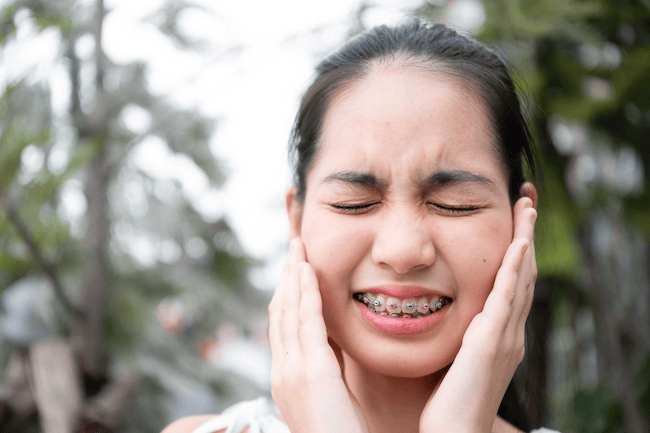
Do Braces Fix Jaw Discomfort or Headaches? The Connection Between Your Bite and Chronic Discomfort
Many people ask us: do braces fix jaw discomfort or headaches? If you wake up with a dull ache in your temples or notice your jaw clicking when you chew, your bite might be the culprit. Malocclusion (the clinical term for misaligned teeth) creates uneven stress across your jaw every time you talk, eat, or even rest. Over time, this imbalance can trigger chronic discomfort that affects your whole head and face.
Your temporomandibular joint (TMJ) acts as a hinge connecting your lower jaw to your skull. When your teeth don't fit together properly, this joint works overtime to compensate. The muscles surrounding it become strained, and that tension radiates outward. That leads to persistent headaches, facial soreness, and jaw discomfort that seem to come from nowhere.
Research published in dental journals has established clear links between bite problems and tension-type headaches. According to the American Association of Orthodontists, patients with significant malocclusion report notably higher rates of facial discomfort and headache frequency compared to those with properly aligned bites. A 2020 review in the Journal of Oral Rehabilitation also found that malocclusion was a common contributing factor among patients diagnosed with temporomandibular disorders, reinforcing the connection between how your teeth meet and how your jaw feels.
Not every headache stems from your teeth, though. Migraines, sinus issues, and stress all cause head discomfort too. The difference? Bite-related headaches often come with telltale signs: jaw fatigue, teeth grinding, or symptoms that are worse in the morning. An orthodontic evaluation can help identify whether your bite contributes to your symptoms or whether you should look elsewhere for answers.
How Do Braces Fix Jaw Discomfort and Headaches?
Yes, braces can fix jaw discomfort and headaches caused by bite misalignment. By repositioning teeth into proper alignment, braces distribute chewing forces evenly, reducing TMJ strain and the muscle tension that triggers chronic headaches. Here's how that works in practice.
What Happens When Your Bite Shifts Into Alignment?
Today's braces and Invisalign aligners work by gradually repositioning your teeth into proper alignment. When your bite comes together correctly, the forces of chewing and resting get distributed evenly across all your teeth. Your TMJ no longer has to compensate for gaps, crowding, or teeth that hit at odd angles.
Which Bite Problems Respond Best to Correction?
With a crossbite, your jaw shifts sideways when you close your mouth. Front-to-back imbalances show up with overbites and underbites. Correcting these specific conditions removes the extra strain on your jaw joint and surrounding muscles, and that often brings noticeable relief.
For younger patients, palatal expanders can address skeletal issues contributing to jaw problems. These devices gently widen the upper jaw, creating space for proper tooth alignment and improving how the upper and lower jaws relate to each other.
How Quickly Can You Expect Relief?
Relief doesn't happen overnight. Most patients notice gradual improvement as their teeth shift into better positions. Some feel better within months. Others need to complete their full treatment before experiencing significant changes. Your orthodontist can give you a realistic timeline based on your specific situation.
Complex TMJ cases sometimes require a team approach. Your orthodontist may coordinate with other specialists when needed (oral surgeons, physical therapists, or TMJ specialists) to make sure you get the right care for your symptoms.
Benefits of Orthodontic Treatments Beyond Discomfort Relief
Fixing your bite does more than reduce jaw discomfort. Orthodontic treatments that address the root cause of your jaw problems deliver benefits that extend well beyond easing soreness.
How Can Orthodontic Treatments Reduce Headaches?
Many patients report fewer tension headaches and migraines once their bite is corrected. The muscle strain that triggered those throbbing temples simply isn't there anymore. When your upper and lower teeth meet properly, your jaw muscles can relax instead of constantly compensating for misalignment. This reduction in muscle tension often leads to fewer headache episodes per week, and some patients find their headaches stop entirely.
What TMJ Symptoms Improve With Treatment?
That annoying clicking sound when you open wide? It often decreases or disappears as your jaw learns to function in its proper position. Same goes for popping sensations and locking. Limited range of motion also tends to improve as the bite stabilizes. For many patients, these functional improvements show up before the cosmetic changes become visible.
Does Bite Correction Improve Everyday Comfort?
Better chewing function: Properly aligned teeth meet evenly, making eating more comfortable and efficient. You'll also see less abnormal wear on your tooth surfaces.
Improved sleep quality: If you clench or grind your teeth at night, bite correction can help. When your teeth fit together naturally, there's less reason for your jaw muscles to tense up while you sleep.
Long-term oral health: Straight teeth are easier to clean and less prone to decay. Your gums stay healthier. A balanced bite protects your teeth from the excessive wear that leads to cracks and chips down the road.
Braces vs. Invisalign vs. Other Treatments for Jaw Discomfort
Choosing the right treatment depends on what's causing your symptoms and how severe your bite problems are. The table below compares common treatments for bite-related jaw discomfort, including whether each addresses the root cause.
| Treatment Option | Best For | Addresses Root Cause? |
|---|---|---|
| Today's Braces | Complex bite corrections, severe malocclusion | Yes |
| Invisalign Aligners | Mild to moderate bite issues | Yes |
| Night Guards/Splints | Symptom management, teeth grinding | No |
| Palatal Expanders | Skeletal jaw discrepancies in growing patients | Yes |
Today's braces offer the most precise control for complex cases. If you have severe crowding, significant bite discrepancies, or teeth that need to move in multiple directions, metal or ceramic braces give your orthodontist the tools to make those corrections happen.
Invisalign aligners can effectively treat mild to moderate malocclusion linked to jaw discomfort. They're particularly popular with adults who want a more discreet treatment. Clear aligners work well for many bite issues, though some complex cases still require today's braces.
Night guards and splints protect your teeth from grinding damage and can ease muscle tension temporarily. But they don't actually fix your bite. Think of them as symptom management rather than a cure. Once you stop wearing them, the underlying problem remains.
Expanders address skeletal discrepancies in younger patients whose jaws are still developing. By widening the palate, they create better jaw relationships that reduce TMJ strain.
The key difference? Orthodontic treatment targets the root cause of bite-related jaw discomfort. Other approaches manage symptoms without fixing what's actually wrong.
What Affects the Cost of Orthodontic Treatment for Jaw Discomfort?
The cost of orthodontic treatment for jaw discomfort depends on several factors, including case complexity, the type of appliance used, how long treatment takes, and your insurance coverage. Here's what to keep in mind.
Complexity matters most. Simple bite corrections cost less than cases requiring extensive tooth movement or multiple phases of treatment. Your orthodontist will assess your specific situation during your initial evaluation.
Appliance type plays a role. Today's braces, Invisalign aligners, and expanders each have different fee structures. Sometimes the most effective choice for your particular bite problem isn't the most expensive one.
Treatment duration affects total cost. Longer treatment means more visits and more adjustments. Most bite correction cases run 12 to 24 months, though complex situations may take longer.
Insurance coverage varies. Many dental insurance plans cover orthodontic treatment, especially when it's medically indicated for functional problems like TMJ disorders. Check with your provider about your specific benefits.
Low monthly payments make treatment accessible. Many orthodontic practices offer flexible payment structures so you can get started without a large upfront cost.
How Do You Know If Your Headaches Are Caused by Your Bite?
Several warning signs suggest a bite problem may be behind your symptoms. How do you know for sure? Watch for these clues:
Morning headaches and jaw fatigue. Waking up with a dull ache in your temples or sore jaw muscles often indicates nighttime clenching or grinding, both linked to bite misalignment.
Jaw sounds and limitations. Clicking, popping, or grinding noises when you open your mouth deserve attention. So does any locking sensation that limits how wide you can open.
Look in the mirror. Do your front teeth overlap significantly? Does your jaw shift to one side when you close? Crowding or gaps are visual clues that your bite may contribute to your discomfort.
Unexplained ear or facial soreness. TMJ problems often masquerade as ear infections or sinus issues. If your ENT can't find a cause for your symptoms, your bite might be the answer.
Sometimes symptoms start after dental treatment. New crowns, fillings, or extractions can change how your teeth fit together. If headaches or jaw soreness began after a recent procedure, the change in your bite could be responsible.
If any of these sound familiar, an orthodontic evaluation can help determine whether treatment might bring you relief.
Frequently Asked Questions About Braces, Jaw Discomfort, and Headaches
Can braces cure TMJ?
Braces don't cure all TMJ disorders, but they can effectively treat TMJ symptoms caused by bite misalignment. Problems can also stem from arthritis, injury, or stress-related clenching. When a bad bite is the primary culprit, orthodontic correction often brings meaningful or full relief.
Do braces cause headaches at first?
Some patients experience temporary headaches during the first few days after getting braces or following adjustment visits. This discomfort comes from the pressure of teeth beginning to move and typically resolves within a week. OTC medication and soft foods help during this initial period, and these short-term headaches differ from the chronic discomfort that bite problems cause.
How long until braces help with jaw discomfort?
Improvement timelines vary based on your specific bite issues. Some patients notice reduced jaw tension within the first few months as their teeth begin shifting into better positions. Others need to complete most of their treatment before experiencing significant relief. Functional improvements often occur before aesthetic changes become visible.
Can Invisalign fix jaw discomfort the same as braces?
Invisalign can effectively address jaw discomfort caused by mild to moderate bite misalignment. For complex cases involving severe malocclusion or significant skeletal discrepancies, today's braces may offer more precise control. Your orthodontist can evaluate your specific situation and recommend the most effective approach.
Should I see a dentist or orthodontist for jaw discomfort?
Start with your general dentist, who can rule out tooth decay, infection, or gum disease as sources of discomfort. If they suspect your bite contributes to your symptoms, they'll likely refer you to an orthodontist. Orthodontists receive specialized training in jaw function and bite correction that goes beyond general dental education. For the best outcomes, look for an orthodontist who's an AAO member.
Living with chronic jaw discomfort or headaches affects your work, your sleep, and your ability to enjoy meals with family. If you've tried other solutions without success, your bite might be the factor you haven't considered yet.
A thorough evaluation of your bite can reveal whether misalignment plays a role in your symptoms and what the right next steps might look like for you. If you're ready to find out, schedule a Free Consult to get a clear picture of what's going on and how treatment could help.