
What Are At-Home Aligners and How Did They Become So Popular?
Are at-home aligners safe? It's one of the most common questions we hear at Artemis Smiles Orthodontics. At-home aligners carry real risks because they skip X-rays, periodontal exams, and in-person evaluation. Without professional oversight, problems like root damage, bite issues, and gum recession can develop undetected. For most patients, the savings aren't worth the gamble.
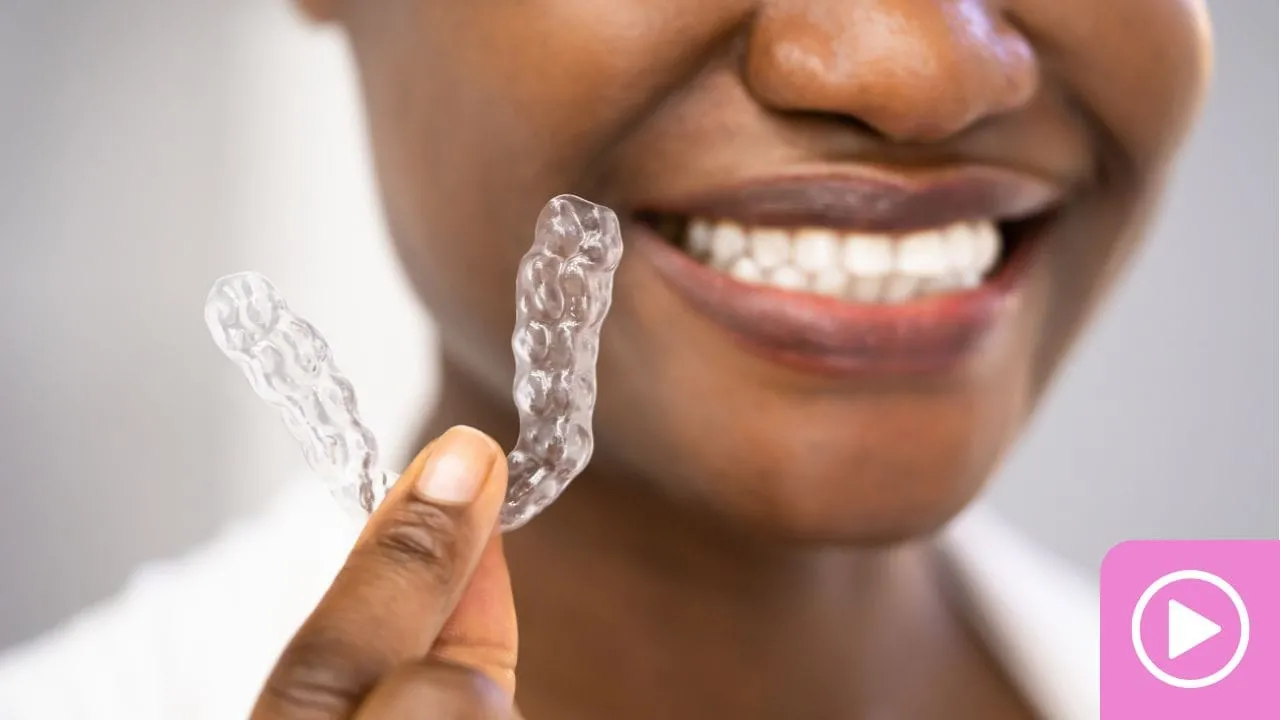
At-home aligners are mail-order Invisalign-style trays sold directly to consumers without in-person orthodontic visits. Companies like SmileDirectClub, Byte, and Candid built entire businesses around this direct-to-consumer model, promising straighter teeth at lower price points than professional orthodontic care provided by a licensed specialist.
The appeal was simple. Skip the orthodontist's practice, take impressions at home, and receive aligners by mail. For busy adults looking to improve their smiles without multiple visits, it seemed like a convenient solution.
But the industry hit a major turning point in 2023. SmileDirectClub filed for Chapter 11 bankruptcy in September 2023, leaving thousands of patients mid-treatment without support or follow-up care. This raised serious questions about what happens when your aligner company disappears before your treatment ends.
The American Association of Orthodontists has consistently raised concerns about unsupervised orthodontic treatment. Moving teeth is a medical process. It affects your bite, your jaw, and your long-term oral health. Without proper oversight, things go wrong quickly and quietly.
So are at-home aligners truly safe? The answer depends on several factors that most advertisements don't mention.
How At-Home Aligners Work, and What Steps They Skip
At-home aligners skip critical diagnostic steps that professional orthodontists rely on, including X-rays, periodontal assessments, and in-person exams. Treatment plans are created remotely from photos and scans alone, with no hands-on evaluation of your bite, jaw, or gum health.
The process starts with DIY impressions or a quick stop at a scanning center. You bite into putty or have a technician scan your teeth. No full exam is included.
Here's what gets skipped:
- X-rays not included, so root health and bone structure go completely unchecked
- Periodontal assessment to evaluate gum health, not part of the process
- Cavity screening before treatment begins, skipped entirely
- Bite analysis to identify jaw alignment issues, never performed
- In-person evaluation with a specialist, replaced by photos only
A dentist or orthodontist reviews your case remotely from photos and scans. Your bite, jaw movement, and hidden problems all go unchecked. Issues that don't show up in pictures simply get missed.
Aligners arrive in bulk. You're expected to change them on schedule with limited check-ins throughout treatment. If something feels wrong, you're often left troubleshooting through customer service chat.
Professional orthodontic care works differently. At a qualified family-run orthodontic practice, treatment includes diagnostic records, custom planning based on your full dental picture, and regular monitoring to catch problems early.
The Perceived Benefits of At-Home Aligners, and the Reality
What Are the Advertised Benefits of At-Home Aligners?
Lower upfront cost is the primary draw. When advertisements show prices well below professional orthodontic treatment, it catches attention. For adults with mild spacing or crowding, the convenience of fewer visits also appeals.
For some patients with very mild cosmetic concerns, simple aligner therapy may produce visible improvement. Teeth shift, gaps close, and minor crowding gets better. These before-and-after photos fuel the marketing that drives the DTC model.
What Do the Ads Leave Out?
Unsupervised treatment can worsen underlying issues. Bite problems that weren't identified before treatment often become more pronounced. Gum disease that wasn't screened for can progress while teeth are moving. Root resorption, where roots actually shorten, occurs without anyone monitoring for warning signs.
Long-term costs from corrective treatment often exceed initial savings. According to the AAO, patients who experience complications from unsupervised orthodontic treatment frequently need professional intervention that costs more than supervised treatment would have from the start.
What looks like a bargain upfront can become an expensive problem later. Once damage is done to roots or bone, some of it can't be reversed.
At-Home Aligners vs. Orthodontist-Supervised Treatment: A Side-by-Side Comparison
Understanding the differences helps you make a smart decision. Here's how these two approaches compare:
| Feature | At-Home Aligners | Orthodontist-Supervised Treatment |
|---|---|---|
| Initial Exam | DIY impressions or scanning center | Full in-person evaluation |
| X-rays | Not included | Full diagnostic imaging |
| Gum Health Check | Not included | Periodontal assessment before treatment |
| Treatment Planning | Remote review of photos/scans | Custom plan based on complete records |
| Provider Training | Varies; often general dentists | 2-3 years specialty training beyond dental school |
| Monitoring | Virtual check-ins, if any | Regular in-person visits |
| Treatment Complexity | Mild cosmetic cases only | Simple to complex cases, including bite correction |
| Adjustments | Limited or none | Ongoing refinements as needed |
| Emergency Care | Customer service chat | Direct access to a professional orthodontist |
| Long-term Support | Uncertain (company may close) | Established practice relationship |
| Payment Flexibility | Fixed pricing | Low monthly payment options often available |
Orthodontists complete two to three years of specialty training beyond dental school. This additional education focuses specifically on tooth movement, jaw development, and bite function. That depth of training matters when your oral health is on the line.
Professional treatment addresses more than cosmetic alignment. Bite alignment, jaw function, and long-term oral health are all part of the picture. At-home aligners, by contrast, are designed for mild cosmetic tooth movement only.
The True Cost of At-Home Aligners: What Ads Don't Tell You
The advertised price of at-home aligners excludes several costs that patients discover only after treatment begins.
What's Excluded from the Advertised Price?
DTC aligners typically advertise prices well below professional orthodontic treatment. That number looks attractive on a screen, but it doesn't tell the whole story.
Here's what's typically excluded:
- Refinement aligners if initial dream smiles aren't achieved
- Follow-up care if problems develop
- Treatment for complications like root damage or bite issues
- Retainers and long-term maintenance
Corrective orthodontic treatment after failed DTC cases can cost significantly more than starting with professional care. Fixing problems is always harder than preventing them.
The Costs Most Patients Miss
Many orthodontic practices offer low monthly payment options that rival DTC monthly pricing. Insurance benefits often apply to orthodontist-supervised treatment but not mail-order aligners, and that gap alone can erase the perceived savings. The cost of treating complications like root resorption, TMJ issues, and bite problems rarely gets factored into the initial decision. Sometimes that means starting treatment over entirely.
Who Should, and Shouldn't, Consider At-Home Aligners?
Let's be direct about who might be appropriate for simple aligner therapy and who absolutely should not use DTC aligners.
Who Might Be a Candidate for Simple Aligner Therapy?
- Very mild cosmetic crowding with no underlying dental issues
- Minor spacing between teeth
- Adults who have had professional evaluation confirming a simple case
Even in these situations, professional oversight provides protection that mail-order treatment cannot. A simple case can still go sideways without monitoring.
Who Should Avoid At-Home Aligners?
- Anyone with bite issues like overbite, underbite, or crossbite
- Patients experiencing TMJ symptoms or jaw discomfort
- Anyone with active gum disease or periodontal concerns
- Children and teens whose jaws are still developing
- Patients with complex dental histories, including missing teeth, implants, or extensive restorations
- Anyone who hasn't had a dental exam recently (within the last year)
A qualified orthodontist can determine if aligners can achieve the same dream smiles safely. Many patients who think they need simple cosmetic treatment actually have underlying issues that require professional attention.
When in doubt, a professional evaluation protects your oral health and your investment. A single visit can reveal whether your case is truly simple or more complex than it appears. Patients in the Sandy Springs, GA area can schedule a consultation to find out where they stand.
Frequently Asked Questions About At-Home Aligner Safety
Are at-home aligners FDA approved?
Aligners as devices are FDA-cleared for product safety, but the unsupervised treatment model itself is not FDA-regulated. The FDA does not evaluate whether skipping in-person exams and X-rays is safe for patients. The device may be cleared, but the way it's delivered and monitored is a separate concern entirely.
Can at-home aligners damage your teeth?
Yes. Improper tooth movement without monitoring causes root resorption, where tooth roots actually shorten. Gum recession occurs when teeth move in ways the supporting bone can't accommodate, and bite problems develop or worsen when alignment changes aren't properly planned. Without regular monitoring, these issues often go undetected until significant damage has occurred.
Who supervises my treatment with mail-order aligners?
A remote dentist or orthodontist reviews your case based on photos and scans. No one examines you in person. Your bite, gum health, and issues that don't appear in images remain unchecked throughout the entire treatment. The level of oversight varies significantly between companies, and qualifications of reviewing providers aren't always transparent.
What happened to SmileDirectClub?
SmileDirectClub filed for Chapter 11 bankruptcy in September 2023, abruptly closing operations and leaving thousands of patients mid-treatment without support. Patients who had paid for treatment they hadn't received faced uncertainty about refunds, and those mid-treatment had no clear path to completion. This highlighted a real risk of the DTC model: your treatment depends on the company's survival.
Should I get a professional evaluation before trying at-home aligners?
Absolutely. Most orthodontists strongly recommend an in-person evaluation before any tooth-moving treatment. A consultation includes X-rays, a bite assessment, and a thorough exam that identifies issues invisible to DIY scans. Many orthodontic practices offer complimentary initial evaluations, making it easy to get answers before committing to any treatment path.
Your teeth and bite are worth protecting. Before making decisions about orthodontic treatment, think about what you're really getting for your money. Here at Artemis Smiles Orthodontics, Dr. Bennie, a board-certified AAO member orthodontist, takes the time to evaluate your specific situation, explain your treatments clearly, and help you understand what's truly involved in achieving the dream smiles you want.
Ready to explore your options with a specialist who treats you like family? Schedule a consultation with the team at Artemis Smiles Orthodontics in Sandy Springs, GA to get answers specific to your smile.