
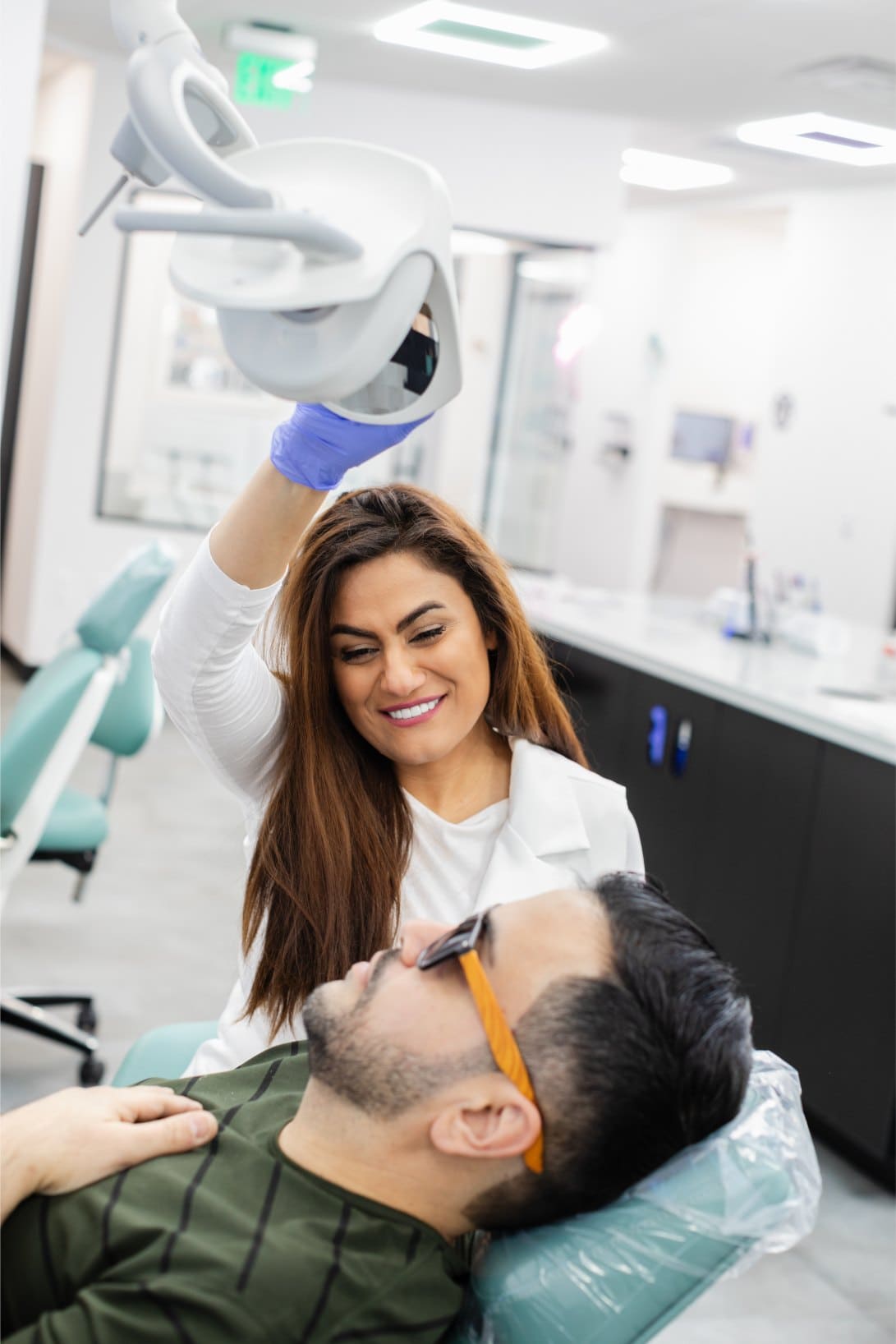
How Often Will You Actually Need to Come In During Treatment?
One of the first things patients ask when they get started: how often do I actually need to come in? It's a fair question, especially when you're balancing work, school, or family schedules. The answer depends on your specific treatment, but here's what most patients can expect.
What Is a Typical Orthodontic Visit Schedule?
Most patients visit every 4 to 8 weeks during active treatment. Today's braces patients typically come in every 4 to 6 weeks, while Invisalign aligners patients space visits out to every 6 to 10 weeks. Several factors shape your schedule. The type of movement needed and your treatment phase both play a role in how your orthodontist sets your visit timing.
Early in treatment, you'll likely come in more frequently as your teeth begin their initial shifts. As treatment progresses and movements become more predictable, visits space out a bit. Each visit usually lasts between 15 and 30 minutes for routine adjustments.
What Happens at Each Orthodontic Visit?
Every visit serves a specific purpose in your treatment plan. Here's what that looks like for each type of treatment:
For braces visits:
- Your orthodontist swaps out wires to keep teeth moving in the right direction
- Brackets get inspected to make sure everything is secure
- Elastic bands are replaced if you're using rubber bands
- The team checks for any buildup and cleans around brackets
For Invisalign check-ins:
- How are your teeth tracking? Your orthodontist will compare your progress to the treatment plan
- You'll pick up your next sets of aligner trays
- Attachments get checked and adjusted if needed
- Any comfort concerns or fit issues are addressed on the spot
It's a good idea to bring any questions you've been saving up between visits. Write them down so you don't forget in the moment.
At key points in treatment, your orthodontist will take dental imaging or X-rays to see what's happening beneath the surface. These images reveal root movement and bone changes that aren't visible during a regular exam, and they help confirm that everything is progressing safely. Imaging is especially important during complex bite corrections or when teeth need significant repositioning.
Your orthodontist evaluates how your teeth are responding and adjusts the treatment plan when necessary. Sometimes teeth move faster or slower than predicted, and these in-person visits catch those variations early. Remote monitoring tools can supplement care, but nothing replaces the hands-on assessment a professional provides during these visits.
Why Regular Orthodontic Visits Matter for Your Dream Smiles
Keeping your visits on schedule matters more than most patients realize. It's how your orthodontist catches small problems early and keeps your teeth moving the right way. Here are the specific benefits of staying on track:
- Keeps tooth movement on timeline so treatment doesn't drag out
- Catches loose brackets or wire issues before they cause setbacks
- Protects root health through consistent monitoring
- Reduces after-hours emergencies
- Prevents extended treatment from missed or delayed adjustments
How Do Timely Visits Affect Your Treatment Timeline?
When adjustments happen on schedule, your teeth keep moving in the right direction at the right pace. Delays of even a few weeks can add months to your total treatment time. Timely visits also prevent small issues, like a loose bracket or a compliance gap, from snowballing into bigger setbacks that require extra correction.
What Do Regular Check-Ins Protect Against?
Your orthodontist confirms teeth are shifting as planned without putting too much stress on roots. This protects your long-term dental health. Consistent monitoring also means fewer after-hours emergencies, since small problems get caught and resolved before they escalate. The bottom line: patients who keep their visits on schedule finish closer to their original timeline.
Braces vs. Invisalign: How Visit Frequency Differs
Your treatment type influences how often you'll come in. Braces patients visit every 4 to 6 weeks on average, while Invisalign patients visit every 6 to 10 weeks. Patients can choose from several treatments, each with different visit schedules:
| Treatment Type | Typical Visit Frequency | Visit Purpose |
|---|---|---|
| Today's Braces | Every 4 to 6 weeks | Wire adjustments, bracket checks |
| Invisalign Aligners | Every 6 to 10 weeks | Progress checks, new trays |
| InSmile Braces | Every 4 to 6 weeks | Behind-the-teeth adjustments |
| Expanders/Appliances | Varies by device | Activation and monitoring |
Today's braces require more frequent visits because your orthodontist will need to physically change wires and make adjustments. Each visit applies new forces to continue tooth movement.
Invisalign aligners allow longer gaps between visits. You receive multiple trays at once and change them at home on a set schedule, so you don't need as many in-office visits.
InSmile Braces follow a similar schedule to today's braces. The completely hidden treatment appeals to patients who want discretion while straightening their teeth.
What Factors Affect How Often You'll Need Visits?
Not everyone follows the same schedule. Several factors influence your personal visit frequency:
- Case complexity plays the biggest role. Mild spacing issues need fewer adjustments than severe crowding or bite problems.
- Children and teens need more frequent monitoring since their jaws are still developing. Adult patients with stable bone structure sometimes go longer between visits.
- Compliance matters. Wearing elastics, retainers, or aligners as directed reduces the need for corrective visits. Falling behind does the opposite.
- Early alignment phases need closer attention than fine-tuning stages near the end.
- Accelerated methods require additional check-ins.
Does Visit Frequency Affect Orthodontic Treatment Cost?
Not directly. Your treatment fee is typically set at the start and covers all scheduled visits during active treatment. More frequent visits don't mean higher costs. That said, missed or delayed visits can extend your timeline, which may require additional visits beyond the original plan.
How to Build an Orthodontic Schedule That Fits Your Life
Worried about fitting visits into your busy routine? You're not alone. This is one of the first things patients ask about during their Free Consult.
Got a lunch break? That's usually enough time, since most routine visits take under 30 minutes. Many practices offer flexible hours, including early morning or after-school time slots. Saturday availability works well for students and working professionals. Some practices also use remote monitoring technology to reduce in-office visits for certain patients.
Frequently Asked Questions About Orthodontic Visits
Can I skip an orthodontic visit?
You should avoid skipping visits whenever possible. When adjustments don't happen on schedule, teeth may not move as planned or could shift in unwanted directions. If you can't make a visit, reschedule as soon as possible.
How long does a typical orthodontic visit take?
Most routine visits last 15 to 30 minutes. Initial visits and bonding visits take longer, usually 60 to 90 minutes. The quick turnaround for regular check-ins makes it easier to fit them into school or work schedules.
Do orthodontic visits hurt?
Most patients feel little to no discomfort during adjustments. You may feel pressure during the visit, and mild soreness is common for a day or two afterward. Over-the-counter pain relievers and soft foods help manage any tenderness.
What if I have an orthodontic emergency between visits?
Contact your orthodontist right away for guidance. Common issues like a poking wire or loose bracket have simple at-home fixes until you can get in for a repair. True emergencies are rare, but the team is there to help when problems come up.
How often do you visit after braces are removed?
Retainer check-ups happen every 3 to 6 months at first, then space out over time. These visits make sure your teeth stay in their new positions and your retainer fits properly. The Lifetime Retainer Program helps patients maintain their dream smiles long after active treatment ends.
Does Invisalign require fewer visits than braces?
Yes, in most cases. Because you change aligner trays at home on a set schedule, Invisalign patients typically visit every 6 to 10 weeks compared to every 4 to 6 weeks for braces. Your orthodontist will still need to verify that your teeth are tracking correctly, but the overall number of in-office visits tends to be lower with Invisalign aligners.