
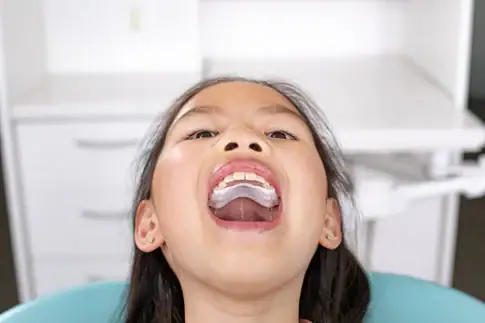
Temporomandibular joint (TMJ) disorders can cause chronic jaw pain, headaches, difficulty chewing, and even radiating discomfort into the neck and shoulders. For many people in Atlanta, these symptoms can disrupt daily life—but relief may be closer than you think.
One often overlooked solution for TMJ disorders is orthodontic treatment.
While braces and clear aligners like Invisalign are commonly associated with cosmetic smile improvements, they can also play a crucial role in correcting the underlying bite and jaw alignment issues that contribute to TMJ discomfort.
In this post, we’ll explore how orthodontic treatment may help alleviate TMJ symptoms, who it’s right for, and what Atlanta patients should know before seeking care.
What Is TMJ Disorder?
The temporomandibular joints are the hinges connecting your jawbone to your skull—one on each side of your face, just in front of the ears. These joints allow your jaw to move smoothly when speaking, eating, or yawning.
TMJ disorder (often called TMD) refers to any dysfunction or pain in these joints or the surrounding muscles.
Common symptoms include:
- Jaw clicking or popping when opening and closing
- Pain or tenderness in the jaw
- Difficulty chewing or opening the mouth fully
- Frequent headaches or earaches
- Muscle tension in the neck, shoulders, or face
TMJ issues can be caused by a variety of factors, including stress-induced jaw clenching, arthritis, injury, and—importantly for orthodontics—bite misalignment.
How Can Orthodontics Help with TMJ?
In many cases, TMJ symptoms are rooted in malocclusion, or poor alignment of the teeth and jaw. When the bite is off, your jaw has to work harder to bring your teeth together, putting stress on the joint and surrounding muscles.
Orthodontic treatment helps by:
- Correcting bite alignment — By repositioning the teeth, braces or aligners create a more balanced bite, reducing strain on the TMJ.
- Improving jaw position — Some patients may have a jaw that shifts forward or to the side to compensate for bite issues. Orthodontics can help the jaw rest in a more natural, relaxed position.
- Reducing clenching and grinding — Misaligned teeth can make nighttime grinding or clenching worse, both of which contribute to TMJ pain. A corrected bite often reduces this behavior.
When Is Orthodontic Treatment Recommended for TMJ?
Not every case of TMJ requires orthodontic treatment, but it can be a helpful option when:
- The patient has visible bite issues, such as overbite, underbite, or crossbite
- TMJ symptoms are chronic and impact quality of life
- Imaging or an evaluation reveals jaw misalignment
- Other conservative treatments haven’t brought relief
An orthodontist will typically work alongside your general dentist, and possibly a TMJ specialist, to determine whether braces or aligners could help improve your condition.
Braces vs. Aligners for TMJ — What’s Better?
Both traditional braces and Invisalign can be used to treat TMJ symptoms, depending on the complexity of your bite.
Here’s a quick comparison:
- Braces — Ideal for more complex or severe misalignments; offer greater control over precise tooth movements; may be paired with other appliances to correct jaw positioning
- Invisalign — Best for mild to moderate alignment issues; more discreet and removable; often more comfortable for patients with jaw pain
Ultimately, the right treatment depends on the cause of your TMJ symptoms and the severity of your bite misalignment. An orthodontic evaluation will help determine which option is best for you.
Additional Orthodontic Appliances That May Help
In some cases, TMJ-related discomfort is linked not just to crooked teeth but to how the jaw fits together structurally. In those cases, an orthodontist may recommend:
- Elastics — Small rubber bands that help adjust the position of the jaw
- Functional appliances — Devices used to guide jaw development in younger patients
- Bite splints or night guards — Often used in tandem with orthodontics to reduce nighttime clenching
These additions help support better jaw mechanics and reduce the workload on the TMJ.
How Long Does Orthodontic TMJ Treatment Take?
The length of treatment can vary depending on the complexity of your case. On average, orthodontic treatment for bite correction lasts:
- 12–18 months with clear aligners for mild cases
- 18–24+ months with braces for more complex misalignments
However, many patients begin noticing relief from TMJ symptoms within the first few months of treatment as their bite begins to shift.
Can Orthodontics Fully Cure TMJ?
It depends on the root cause.
If your TMJ disorder is directly tied to bite misalignment, orthodontic treatment can provide long-term or even permanent relief. However, if your TMJ pain stems from arthritis, trauma, or stress-induced habits, you may need a broader treatment plan.
In those cases, orthodontics is one part of a more comprehensive approach that may include:
- Physical therapy
- Pain management
- Behavioral therapy for clenching
- Dietary adjustments
What Atlanta Patients Should Know Before Starting
If you're an Atlanta resident experiencing jaw pain, clicking, or headaches that won’t go away, a consultation with an orthodontist may be the next step.
Here’s what to expect:
- Comprehensive evaluation — Your orthodontist will assess your bite, jaw movement, and tooth alignment.
- 3D imaging or X-rays — These can help identify structural issues contributing to TMJ discomfort.
- Customized treatment plan — Depending on your needs, this may include braces, Invisalign, or other appliances.
Braces and Aligners May Provide Relief for TMJ in Atlanta
TMJ disorders can be painful and persistent, but orthodontic treatment may offer a long-term solution—especially when bite misalignment is the root cause.
Whether you choose braces or aligners, correcting your bite can relieve pressure on the jaw, reduce muscle tension, and help restore balance to your oral health.
If you’re in Atlanta and wondering whether orthodontics could help your TMJ symptoms, a consultation is a great place to start. Relief could be closer than you think.