
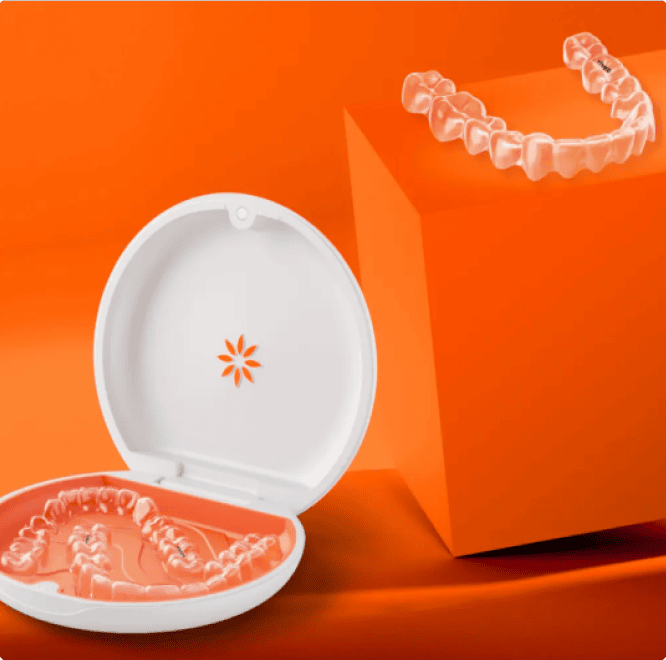
What Is a Retainer and Why Do Orthodontists Prescribe Them?
A retainer is a custom orthodontic appliance designed to hold your teeth in their corrected positions after braces or treatment ends. It's the final, essential phase of your smile work, not an optional add-on. If you've ever wondered what happens if you stop wearing your retainer, the short answer is: your teeth start shifting back toward their original positions, sometimes faster than you'd expect.
Here's why retainers matter so much. Your teeth have a natural tendency to drift back toward where they started. This happens because the periodontal ligaments (the tiny fibers connecting your teeth to the surrounding bone) retain a "memory" of where teeth used to sit. Without something holding teeth in place, those ligaments slowly pull them back. Our team shares this with every patient regularly, because it's one of the most important things to understand after finishing treatment.
Orthodontists prescribe retainers in several forms:
- Removable Hawley retainers, the classic wire-and-acrylic design
- Clear plastic retainers, nearly invisible and comfortable
- Permanent bonded retainers, a thin wire cemented behind your front teeth
Each type serves the same purpose: protecting the straight smile you worked so hard to achieve.
Teeth begin shifting within days of stopping retainer wear, with noticeable changes by 1-3 months and significant relapse possible within a year. Here's what the timeline actually looks like when that retainer stays in its case.
What Happens in the First Few Weeks?
In the first few weeks without a retainer, minor tooth shifting begins as periodontal ligaments pull teeth toward their original positions while surrounding bone hasn't fully hardened. You probably won't notice anything in the mirror yet, but the process has already started beneath the surface.
What Changes After 1-3 Months?
Now things get noticeable. Many people report their retainer feeling uncomfortably tight when they try to put it back in. That tightness? It's your teeth telling you they've moved. Some patients can still wear their retainer at this stage, though it takes a few nights to feel normal again. Others find the fit is already too off to be comfortable, which means scheduling a visit is the smart next step.
What Happens After 6-12 Months of Skipped Wear?
Significant relapse becomes likely at this point. Gaps that closed during treatment may reopen, and crowding can return alongside bite changes you feel when chewing. Patients who come in at this stage often need more than just a replacement retainer to get back on track.
What Happens After Years Without a Retainer?
Teeth can drift close to their pre-treatment positions. Not always completely, but enough that you might look in the mirror and wonder where your straight smile went. At this stage, retreatment with or Invisalign aligners is often the only path back to your original results.
Why does this happen on this timeline? Bone remodeling around your teeth takes at least 12 months to fully stabilize after orthodontic treatment. Until that happens, your teeth are in a holding pattern, waiting for direction.
Why Wearing Your Retainer Consistently Matters
Here's the thing: skipping your retainer puts your investment at risk.
Why Does Consistent Retainer Wear Prevent Relapse?
You spent months (maybe years) in treatment. You showed up for visits, dealt with adjustments, and waited patiently for dream smiles. Your retainer protects all of that. Consistent retainer wear also:
- Prevents orthodontic relapse, so you avoid retreatment down the road
- Keeps your bite aligned, which supports healthy jaw function
- Preserves your confidence and the smile you worked for
- Makes oral hygiene easier, because properly aligned teeth are simpler to clean and less prone to uneven wear
The AAO's official retention guidelines state that retention is a critical component of successful orthodontic treatment, not a suggestion.
How Does Retainer Wear Get Easier Over Time?
Most people find retainer wear simple once it becomes habit. As bone fully stabilizes around your teeth, nightly wear becomes second nature. It takes about 30 seconds to pop it in before bed, a small price for a lifetime of straight teeth. Some patients keep their retainer case right next to their toothbrush so they never forget.
Types of Retainers Compared: Hawley vs. Clear vs. Permanent
Not all retainers work the same way. Here's a quick comparison before we break down each type:
| Type | Visibility | Durability | Maintenance | Cost Range |
|---|---|---|---|---|
| Hawley | Wire visible when smiling | High, lasts years | Easy to clean, removable | [STAT_NEEDED] |
| Clear Plastic | Nearly invisible | Moderate, replace every 1-3 years | Easy to clean, removable | [STAT_NEEDED] |
| Permanent Bonded | Hidden behind teeth | High, but can break | Requires extra flossing care | [STAT_NEEDED] |
What Is a Hawley Retainer?
The classic design features a wire across the front teeth attached to an acrylic piece that fits against the roof of your mouth (or behind lower teeth). Hawley retainers are adjustable, durable, and can last for years with proper care. The trade-off? The wire is visible when you smile.
What Are Clear Retainers?
Think of something similar to Invisalign aligners: thin, transparent plastic that snaps over your teeth. They're comfortable and discreet but tend to wear out faster than Hawley retainers. Most need replacement every 1-3 years.
How Do Permanent Bonded Retainers Work?
A thin wire is cemented directly behind your front teeth, so you never have to remember to wear it. Great for compliance, but they require extra attention when flossing and can break if you bite into hard foods.
Many orthodontists recommend combining a permanent retainer on the lower teeth with a removable retainer for the upper arch.
What It Costs If You Need a New Retainer or Retreatment
Replacement retainers typically range from depending on the type and your area. Some orthodontic practices include retainer replacements in their original treatment fee or offer a retainer replacement program. Ask our team about current pricing during your visit.
If significant relapse has occurred, a new retainer won't fix it. You may need a short course of Invisalign refinement, a second phase of , or full retreatment in severe cases. According to the AAO, orthodontic retreatment can cost , far more than the minor inconvenience of nightly retainer wear.
The math is simple. Wearing your retainer costs nothing extra. Fixing relapse costs real money and more time in treatment.
What to Do If You've Already Stopped Wearing Your Retainer
Maybe you're reading this because you've already fallen off the retainer routine. Don't panic, but do take action.
- Try your old retainer. If it fits with slight tightness, that's actually okay. Resume wearing it nightly and let your orthodontist know. The tightness should ease within a few days as teeth settle back.
- If it doesn't fit at all, stop. Forcing a retainer that no longer fits can damage your teeth or the retainer itself. Set it aside and schedule an evaluation.
- Get a professional assessment. Orthodontists can evaluate whether your bite and alignment are still acceptable, whether a new retainer can hold your current position, whether minor refinement (like a few months of Invisalign aligners) would help, or whether more significant treatment is needed.
The sooner you act, the more options you'll have available. Minor shifting is much easier to address than major relapse. Even if it's been months or years, an honest evaluation gives you a clear picture of where things stand and what it would take to get your smile back on track.
Frequently Asked Questions About Retainers and Teeth Shifting
How long do you need to wear a retainer?
You should wear your retainer every night for life. Most orthodontists recommend indefinite nightly wear because teeth can shift at any age. Your orthodontist may adjust the schedule over time, but the safest approach is consistent nightly wear. Wearing your retainer every night is the only way to keep dream smiles for good.
Is it too late to start wearing my retainer again?
It depends on how much shifting has occurred. If your retainer still fits (even snugly), you can likely resume wear. When it no longer fits, you'll need an orthodontic evaluation to determine next steps. The key is acting sooner rather than later.
Can teeth shift even with a permanent retainer?
Yes. Bonded retainers can break, debond, or develop small gaps where the wire separates from a tooth. When this happens, the affected teeth can shift. Regular dental checkups matter because your dentist can spot bonded retainer issues early.
Will my teeth shift after just one night without a retainer?
One night is unlikely to cause noticeable movement. But consistency matters. Skipping occasionally can become skipping regularly, and that's when problems develop. Build retainer wear into your routine like brushing your teeth. If you've been inconsistent and notice tightness, contact your orthodontist for guidance.
How do I stay motivated to wear my retainer?
Make it automatic. Keep your retainer case next to your toothbrush so you see it every night. Some people set a phone reminder. Others find that remembering the cost and time of their original treatment is motivation enough. Whatever works for you, just make it a habit. If you have questions about retainer wear, need a replacement, or want to address shifting that's already happened, scheduling a visit with your orthodontist is a good first step.