
How Do Orthodontists Fix Gaps Between Teeth? Treatment Options Explained
A diastema is a gap between two or more teeth, most commonly appearing between the upper front teeth. Orthodontists fix these gaps by using braces, clear aligners, or specialized appliances to gradually shift teeth into proper alignment. The treatment addresses the root cause of spacing issues rather than simply masking the gap, resulting in lasting improvements to both smile appearance and bite function.
Gaps between teeth affect people of all ages, from young children to adults. Some view spacing as a unique characteristic. Others feel self-conscious about their smile or run into functional issues like food getting trapped or difficulty pronouncing certain sounds.
What Is a Diastema? Understanding Gaps Between Teeth
A diastema refers to any noticeable space or gap between two teeth. These gaps most often appear between the two upper front teeth, though they can occur anywhere in the mouth. Diastemas result from genetics, missing teeth, childhood habits, oversized tissue attachments, or gum disease. According to the American Dental Association, diastemas are particularly common in children and often resolve naturally as permanent teeth come in, though many persist into adulthood and benefit from orthodontic treatment. Some gaps are purely cosmetic concerns, while others affect bite function and oral health.
Several factors contribute to spacing between teeth:
Genetics play a big role. If your parents had gaps, you're more likely to develop them too. The size relationship between your jaw and teeth matters as well. When teeth are smaller relative to jawbone size, extra space naturally occurs.
Missing teeth create obvious gaps, but they also allow surrounding teeth to drift over time, potentially creating additional spacing problems. Have you ever noticed a child who sucks their thumb developing a gap? Prolonged thumb-sucking or pacifier use can push front teeth forward, creating spaces between them. An oversized labial frenum, the tissue connecting your upper lip to your gums, sometimes prevents teeth from coming together properly.
Gum disease is another common culprit. The bone loss it causes can lead to teeth shifting and gaps developing. This is particularly common in adults who previously had well-aligned smiles.
For children, gaps between baby teeth are actually normal and often beneficial. They typically indicate enough room for larger permanent teeth. Persistent gaps after permanent teeth come in, however, warrant evaluation by an orthodontist.
How Orthodontists Close Gaps Between Teeth: The Treatment Process
Closing gaps involves a step-by-step plan built around your specific situation. Here's what to expect:
The Initial Examination
Most orthodontists will start with a full evaluation. This includes X-rays to assess tooth roots and bone structure, plus digital scans that create precise 3D models of your teeth. These diagnostic tools reveal whether the gap stems from tooth size discrepancy, jaw alignment issues, missing teeth, or other factors.
iTero digital scanners provide accurate, comfortable impressions without the mess of traditional molds.
Creating Your Custom Treatment Plan
Based on diagnostic findings, your orthodontist will design a treatment plan built around your specific needs. This considers:
- Gap size and location
- Overall bite alignment
- Any additional spacing or crowding
- Your lifestyle and aesthetic preferences
- Timeline expectations
Every smile is different. That's why the plan accounts for your full dental picture, not just the visible gap.
Active Treatment: What to Expect
During this phase, your orthodontist uses braces, aligners, or specialized appliances to gradually move teeth together. The specific mechanics depend on your treatment choice, but all work by applying controlled pressure that stimulates bone remodeling around tooth roots.
Regular visits allow your orthodontist to monitor progress and make adjustments. Most patients come in every 4 to 8 weeks during active treatment. Your smile starts changing within the first few months, and many patients notice visible progress early on.
Why Retention Matters
Once your gap closes, retainers keep teeth in their new positions. This phase is critical. Without proper retention, teeth naturally want to drift back toward their original positions. Many orthodontists recommend wearing retainers long-term, especially at night. That single habit protects everything you've invested in your smile.
Treatment Timeline: Minor gaps may close in as few as 6 months. More complex cases involving multiple gaps or bite corrections typically require 12 to 18 months or longer.
Benefits of Orthodontic Gap Closure vs. Other Dental Fixes
Orthodontic gap closure moves teeth into proper position, improves bite function, preserves natural tooth structure, and supports long-term oral health, advantages that cosmetic fixes like veneers and bonding cannot match.
Orthodontics vs. Cosmetic Cover-Ups
Gets to the actual problem. Rather than covering up spacing with veneers or bonding, orthodontics moves teeth into proper position. This creates natural results that actually last.
Improves overall bite function. Closing gaps often improves how your teeth come together when you bite and chew. Better alignment reduces uneven wear and stress on individual teeth.
Orthodontics also preserves natural tooth structure. Veneers require removing healthy enamel. Bonding adds material to teeth. Orthodontic treatment works with your natural teeth without altering them.
Oral Health Benefits of Closing Gaps
Gaps create spaces where food collects, increasing risk of gum irritation and decay. Properly aligned teeth are easier to clean and maintain. Closing those gaps removes hiding spots for bacteria and plaque.
If you have gaps plus crowding in other areas, or a bite that doesn't align properly, orthodontic treatment addresses everything together.
With consistent retainer wear, orthodontic gap closure provides permanent improvement. Bonding chips and stains over time. Veneers eventually need replacement. Orthodontic results, when maintained with retainers, last a lifetime.
Gap Treatment Options Compared: Braces vs. Invisalign vs. Other Methods
Different treatments suit different situations. Here's how they compare:
| Treatment | Best For | Appearance | Typical Timeline | Durability |
|---|---|---|---|---|
| Metal Braces | All gap sizes, complex cases | Visible brackets and wires | 6-24 months | Permanent with retention |
| Invisalign | Mild to moderate gaps | Nearly invisible | 6-18 months | Permanent with retention |
| Ceramic Braces | All gap sizes, aesthetic preference | Tooth-colored brackets | 6-24 months | Permanent with retention |
| Dental Bonding | Small gaps, quick fix | Matches tooth color | Same-day | 3-10 years before repair needed |
| Veneers | Cosmetic improvement | Natural appearance | 2-3 visits | 10-15 years before replacement |
How Do Braces Close Gaps?
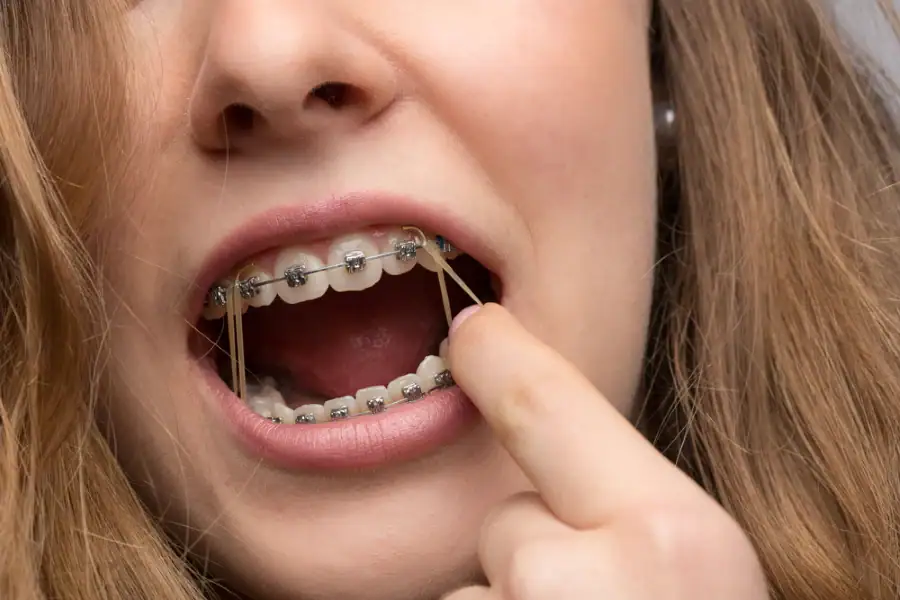
Today's braces remain the most versatile option. They handle gaps of any size effectively and provide precise control over tooth movement. Modern brackets are smaller and more comfortable than older versions. For patients who want the reliability of braces with a subtler look, ceramic brackets offer tooth-colored alternatives. Braces are often the go-to recommendation for complex spacing combined with bite issues.
Can Invisalign Fix Gaps Between Teeth?
Invisalign aligners work well for mild to moderate gaps. The removable trays are nearly invisible, making them popular with adults and teens concerned about appearance. You can eat whatever you want since aligners come out for meals. Success depends on wearing them 20 to 22 hours daily, though.
What Are the Cosmetic Alternatives to Orthodontics?
Dental bonding and veneers address appearance but don't fix underlying alignment issues. Bonding involves applying tooth-colored resin to make teeth appear wider, closing the visual gap. Veneers are thin porcelain shells that cover the front surface of teeth.
Both work quickly but come with tradeoffs. They don't improve bite function, require maintenance or replacement over time, and bonding especially can stain or chip. For patients who want a permanent fix rather than a cosmetic patch, orthodontic treatment is the stronger choice.
How Much Does It Cost to Fix a Gap Between Teeth?
Orthodontic gap closure typically costs between $3,000 and $8,000 depending on treatment type, gap severity, and location. Here's a quick breakdown by treatment:
- Metal braces: $3,000 to $7,000
- Invisalign aligners: $3,500 to $8,000
- Dental bonding: a few hundred dollars per tooth
Several factors influence the final number:
Treatment type matters. Dental bonding costs less upfront but needs periodic repair or replacement, which adds up over the years.
Gap severity affects price. A single small gap requiring minimal movement costs less than multiple gaps or complex bite corrections.
Geographic location influences pricing. Treatment costs vary by region and practice. Transparent pricing with no hidden fees helps families plan ahead and avoid surprises.
Insurance coverage helps many patients. Dental insurance often covers a portion of orthodontic treatment, particularly when gaps affect bite function rather than being purely cosmetic. Check your specific plan for orthodontic benefits.
Low monthly payment plans make treatment accessible. Many orthodontic practices offer financing that spreads costs into manageable monthly payments. A payment calculator can help families budget before getting started.
Who Is a Good Candidate for Orthodontic Gap Treatment?
Most people with gaps between teeth can benefit from orthodontic treatment, but individual circumstances matter. Ortho is For Everyone, and that includes adults who may have put off treatment for years.
Adults and teens with healthy teeth and gums typically make excellent candidates. Age doesn't limit orthodontic treatment. Teeth can move at any age as long as the supporting structures are healthy.
What about younger patients? The American Association of Orthodontists recommends children have their first orthodontic visit by age 7. Early intervention can guide jaw growth and prevent gaps from worsening, potentially simplifying future treatment.
Patients dealing with gum disease need periodontal treatment before gap closure. Moving teeth through unhealthy bone and gum tissue leads to poor outcomes. Once gum health stabilizes, orthodontic treatment can proceed safely. Those with missing teeth often need a combined approach, where the orthodontist closes some gaps while strategically leaving space for dental implants or bridges.
A consultation determines your best path forward. Your orthodontist examines your teeth, reviews your health history, discusses your goals, and recommends treatments suited to your situation.
Frequently Asked Questions About Fixing Gaps Between Teeth
Can gaps come back after orthodontic treatment?
Yes, gaps can reopen if you don't wear your retainer consistently, since teeth naturally drift back toward their original positions. Wearing your retainer nightly as directed keeps results stable long-term. Ask your orthodontist about retainer programs designed to protect your investment.
How long does it take to close a gap with braces?
Closing a gap with braces typically takes 6 to 18 months, depending on gap size and complexity. Small gaps between front teeth often close within 6 to 9 months. Larger gaps or cases involving bite correction require more time.
Can Invisalign fix large gaps?
Invisalign aligners effectively close small to moderate gaps. For larger gaps or complex spacing issues, braces may provide more predictable results. Technology continues advancing, expanding what aligners can accomplish. Your orthodontist assesses whether Invisalign suits your specific gap size and overall treatment needs during an initial evaluation.
Is fixing a gap between teeth purely cosmetic?
Not always. Gaps can affect bite function, speech clarity, and gum health in addition to appearance. Food trapped in gaps increases decay and gum disease risk, and gaps can cause uneven pressure on remaining teeth during chewing. Your orthodontist evaluates both cosmetic and functional aspects to recommend the right approach.
At what age should a child see an orthodontist for a gap?
The American Association of Orthodontists recommends children have their first orthodontic evaluation by age 7. At this age, enough permanent teeth have come in to identify potential problems, including gaps that may worsen without intervention. Early visits don't always mean early treatment. Sometimes monitoring is the best approach until more permanent teeth arrive.
Whether it's a small space between your front teeth or multiple gaps throwing off your bite, there's a treatment that fits your life. From today's braces to Invisalign aligners, the right solution depends on your specific needs and goals. Talk to an orthodontist about your options and find out what closing those gaps could look like for you.