
What Is a Retainer and Why Do You Need One?
A retainer is a custom orthodontic appliance designed to hold your teeth in their corrected positions after or treatment ends. Understanding how retainers work to keep teeth straight after treatment starts with knowing why teeth shift in the first place.
You've spent months (or even years) perfecting your smile. Now comes the part that makes all that effort last: the retainer. It's the final step in protecting your new smile. Without it, teeth will naturally try to drift back toward their original positions.
Why does this happen? Teeth are held in place by periodontal ligaments, small fibers that connect tooth roots to the surrounding bone. These ligaments have a kind of "memory." They remember where teeth used to be and will gradually pull them back if nothing stops them. Orthodontic relapse is real, and it's frustrating. But it's also preventable.
A retainer isn't optional. It's the last phase of your treatment plan and one of the most important.
How Do Retainers Work? The Science Behind Keeping Teeth Straight
Retainers work by applying gentle, passive pressure that holds teeth in their corrected positions while the surrounding bone remodels and solidifies. This remodeling process can take a year or more, during which teeth are especially vulnerable to shifting back.
When braces come off or you finish your last Invisalign tray, teeth are in their new positions. But the bone and soft tissue around them haven't fully adapted yet. The bone needs time to remodel and solidify around each tooth root in its new location. According to the American Association of Orthodontists, this stabilization period is a critical window where teeth are at their highest risk for movement.
Many orthodontic patients experience some degree of relapse without consistent retainer wear. That's why retention matters so much.
A retainer doesn't move teeth. Instead, it holds them exactly where they should be while bone catches up. Think of it like a cast on a broken bone: the healing happens underneath, and the retainer keeps everything still while that process finishes.
Those periodontal ligaments don't give up easily. Even after bone remodels, the ligaments retain some elastic memory. This is why many orthodontists recommend wearing retainers indefinitely at night. Teeth can shift at any time, so keeping up with nightly wear matters.
The typical wear schedule follows this pattern:
- First 3-6 months: Full-time wear (20-22 hours daily), removing only for eating and brushing
- After stabilization: Transition to nighttime-only wear
- Long-term: Nightly wear continues, often for life
The transition happens gradually. Your orthodontist will monitor your progress and adjust the schedule based on how teeth respond. Some patients stabilize quickly. Others need longer full-time wear before stepping down.
Consistency is what makes the difference.
Key Benefits of Wearing Your Retainer Consistently
Consistent retainer wear protects your orthodontic results by preventing teeth from shifting back, maintaining proper bite alignment, and eliminating the need for costly retreatment. Wearing a retainer isn't just about following instructions. It's about protecting everything you've invested in your smile.
How Does a Retainer Protect Your Investment?
You put time, money, and effort into treatment. The retainer is what makes your new smile permanent. All those months of adjustments and tray changes only pay off if you follow through with retention.
Proper alignment also helps your bite function correctly, which supports jaw health and reduces wear on your teeth over time. Patients who stay consistent with retainer wear rarely need follow-up corrections. That kind of long-term stability is worth the small daily commitment.
Can Retainers Prevent the Need for Retreatment?
Orthodontic relapse often requires a second round of braces or aligners. That means more time, more visits, and more expense. This happen when patients stop wearing retainers too soon, and consistent wear prevents it entirely.
Some retainers also double as nightguards. If you tend to clench or grind your teeth while sleeping, a retainer may offer some protection against enamel wear.
And here's a practical benefit: wearing a retainer keeps your smile looking the way you want it to. No noticing a front tooth starting to twist. No gap slowly reopening. You spent the time getting your dream smile, so a few minutes each night to keep it is a small ask.
Types of Retainers Compared: Hawley vs. Clear vs. Permanent
Not all retainers are the same. Your orthodontist will recommend the best type based on your specific case, lifestyle, and preferences.
What Are Hawley Retainers?
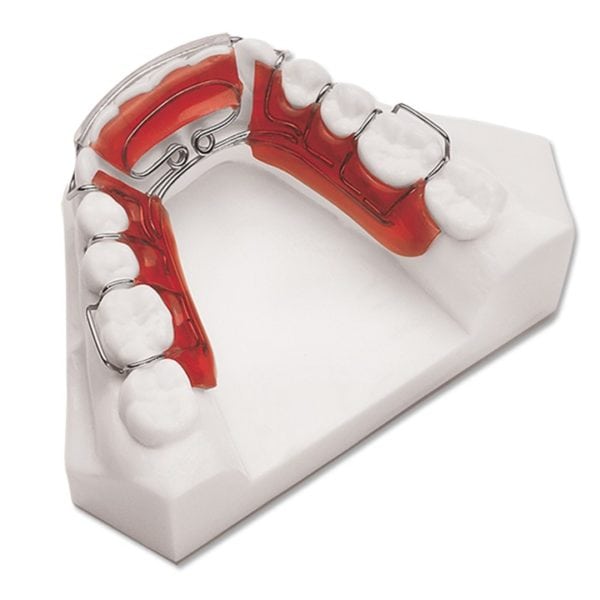
The classic option. A thin metal wire runs across the front of your teeth, attached to an acrylic piece that fits against the roof of your mouth (or behind your lower teeth). They're highly durable, adjustable if minor corrections are needed, and easy to clean. The tradeoff? They're visible when worn and can feel bulky at first.
What Are Clear Retainers?
These look similar to Invisalign trays, made from transparent plastic molded to fit your teeth exactly. They're nearly invisible, comfortable, and have no metal components. They are less durable than Hawley retainers, though, and can crack or warp over time. Plan on replacing them more frequently.
What Are Permanent (Bonded) Retainers?
A thin wire bonded directly to the back of your front teeth. You can't remove it yourself, which means no compliance issues. It's completely invisible from the front and works continuously. The downside: it requires extra care when brushing and flossing, and the wire can break or debond.
| Feature | Hawley | Clear | Permanent |
|---|---|---|---|
| Visibility | Visible wire | Nearly invisible | Hidden behind teeth |
| Durability | High | Moderate | High (if maintained) |
| Maintenance | Easy to clean | Easy to clean | Requires careful flossing |
| Comfort | Moderate | High | High once adjusted |
| Compliance needed | Yes | Yes | No |
Factors like how much teeth moved during treatment, bite complexity, and daily habits all influence which retainer type will work best.
How Much Do Retainers Cost? Factors That Affect Pricing
Retainer costs vary based on the type you need and whether it's included in your original treatment plan. Costs also vary by region and practice. Because pricing changes over time, the best way to get current numbers is to ask during your .
As a general reference, here are common price ranges reported by dental cost resources:
- Clear retainers: $100-$300 per set
- Hawley retainers: $150-$400 per set
- Permanent retainers: $150-$500 per arch for placement
Note: These ranges are approximate and vary by provider. Contact our practice for current pricing.
Replacement retainers are an additional cost. Clear retainers typically need replacing every 1-3 years with normal wear. Hawley retainers can last much longer with proper care. Permanent retainers may need repair if the wire breaks or debonds.
Insurance coverage varies. Some dental plans cover retainers as part of orthodontic treatment. Others have separate limits or don't cover replacements. Check with your provider to understand your benefits.
If cost is a concern, ask about options to make retainer replacements more manageable.
Who Needs a Retainer? Candidacy and Wear Guidelines
Every patient who completes orthodontic treatment needs a retainer, no matter your age or treatment type. Whether you had braces, Invisalign, or another approach, retention is a non-negotiable part of the process.
Kids and teens are still growing, which means their jaws and teeth are still changing. Retainers help maintain results while growth continues. Adults face a different challenge: teeth naturally drift forward throughout life, and retainers counteract that tendency. For patients who had significant crowding, spacing, or bite corrections, your orthodontist may recommend a permanent retainer combined with a removable one for extra stability.
Who Is Most at Risk for Orthodontic Relapse?
Certain patients face a higher risk of teeth shifting back after treatment. Those who had severe crowding or large gaps tend to be more vulnerable, since the periodontal ligaments were stretched or compressed significantly during treatment. Patients with bite corrections involving jaw alignment also need to be especially diligent about retainer wear.
Teens and young adults whose jaws are still developing may see more post-treatment movement than older adults whose bone has fully matured. And patients who grind or clench their teeth can put extra force on their alignment, making consistent retainer use even more important.
If any of these apply to you, your orthodontist will discuss a retention plan that accounts for those risk factors.
What Are the Standard Retainer Wear Guidelines?
- Full-time wear: 20-22 hours daily for the first 3-6 months (remove only for eating and brushing)
- Transition period: Gradually reduce to nighttime-only wear based on your orthodontist's guidance
- Long-term: Nightly wear, often indefinitely, to protect your results
Skipping retainer wear even briefly can allow measurable tooth movement. Teeth can shift noticeably within days. After a week or two without a retainer, it may feel tight when you put it back in. That tightness means teeth have already started moving.
If a retainer doesn't fit anymore, contact our practice. You may need a new retainer or, in some cases, additional treatment to correct the relapse.
Frequently Asked Questions About Retainers
Do retainers hurt?
Mild pressure when you first start wearing a retainer is normal, but if actual discomfort doesn't go away after a day or two, teeth may have shifted or the retainer may not fit properly.
How long do I have to wear a retainer?
Plan to wear your retainer at night indefinitely. Teeth naturally shift throughout life, so ongoing nightly retention is the best way to protect your results. Most patients find it becomes second nature within a few months.
Can I eat with my retainer in?
Remove Hawley and clear retainers before eating. Food can damage the retainer and trap particles against your teeth, increasing cavity risk. Permanent retainers stay in place, so you'll eat normally with those. Just be careful with very hard or sticky foods that could damage the wire.
How do I clean my retainer?
Brush your removable retainer gently with a soft toothbrush and cool water. Avoid hot water, which can warp plastic retainers. You can use a mild soap or retainer cleaning solution. Never use toothpaste on clear retainers since it can scratch the plastic. For permanent retainers, use a floss threader or water flosser to clean around the wire.
What happens if I stop wearing my retainer?
Teeth can begin shifting back toward their original positions within days to weeks. The longer you go without wearing a retainer, the more movement occurs. Minor shifts may be correctable with consistent retainer wear. Significant relapse may require retreatment with or . So the short answer: just keep wearing it. Protecting your smile after treatment takes very little effort compared to the months you spent straightening your teeth. The team at Artemis Smiles Orthodontics helps patients keep their new smile looking great for years. If you have questions about retainers or want to discuss your options, Dr. Bennie and our team can walk you through everything at your next visit.