
How Do Orthodontists Fix Overcrowded Teeth Without Tooth Extraction?
If you're wondering how orthodontists fix overcrowded teeth without tooth extraction, the answer starts with creating space within your existing dental arch. Rather than removing teeth, this approach relies on expansion techniques, precise tooth movement, and modern appliances to align your smile while keeping every natural tooth intact.
So why do teeth get crowded in the first place? It comes down to space. When your jaw doesn't have enough room for all your teeth, they overlap, twist, or push forward. Crowding is actually one of the most common orthodontic concerns, affecting a significant portion of both children and adults. For years, pulling premolars was the go-to fix. But modern orthodontics has changed that, and patients now have more treatments than ever.
Today, orthodontists can treat mild, moderate, and even many severe crowding cases without taking out a single tooth. The techniques have come a long way. Expansion appliances widen your arch to create space. Interproximal reduction carefully removes tiny amounts of enamel between teeth. Distalization moves your back teeth further back, freeing up room in the front.
What Is Non-Extraction Orthodontic Treatment for Overcrowded Teeth?
Non-extraction orthodontic treatment is any approach that corrects crowding without removing permanent teeth. Instead of pulling premolars to make room, the orthodontist creates space using the jaw structure you already have, then moves teeth into proper alignment within that space.
This philosophy has gained ground over the past two decades as appliances and techniques have improved. Palatal expanders can widen the upper arch. Interproximal reduction shaves fractions of a millimeter between teeth. Distalization pushes molars backward. Each method opens up room differently, and most treatment plans combine two or more of these techniques for the best result.
The key question is always whether enough space can be created without extraction to achieve a healthy bite and a stable, lasting result. Not every case qualifies. Severe protrusion or major skeletal discrepancies may still call for extraction. But for mild to moderate crowding, and even some more complex cases, non-extraction treatment delivers excellent outcomes.
How Orthodontists Create Space Without Removing Teeth
Orthodontists create space without extraction using six main techniques: palatal expanders, Invisalign aligners, today's braces, interproximal reduction (IPR), MARPE for adults, and distalization. Many treatment plans combine more than one.
How Do Palatal Expanders Create Space?
Palatal expanders widen the upper jaw by gently separating the midpalatal suture, creating real, permanent space. This works especially well for children and teens whose jaws are still developing. A parent or patient turns a small key daily, gradually expanding the palate over several weeks. Because this growth window closes with age, early evaluation around age 7 matters.
Can Invisalign Aligners Fix Crowding?
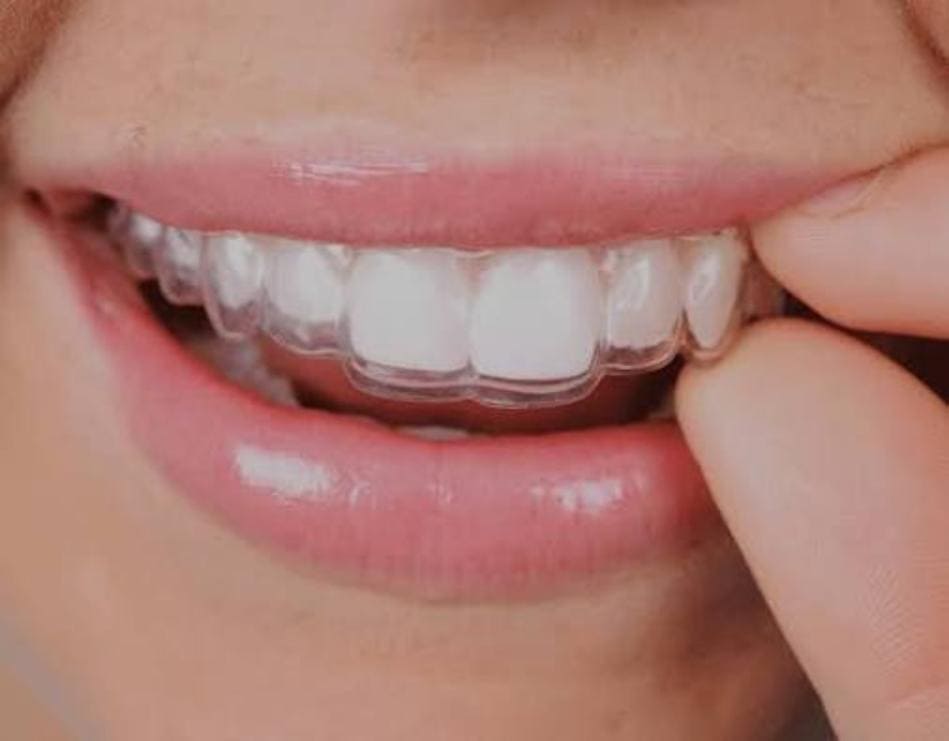
Yes. Invisalign aligners use a series of custom-made trays to shift teeth into alignment gradually. For crowding, the aligners tip teeth, rotate them, and create small amounts of space through coordinated movements across the entire arch.
Modern Archwires and Brackets
Today's braces aren't your parents' metal brackets. Shape-memory alloy archwires apply consistent, gentle pressure, moving teeth efficiently. Custom 3D-printed brackets take precision further, with each bracket designed specifically for your tooth anatomy. Fewer adjustments, more predictable results.
What Is Interproximal Reduction (IPR)?
Interproximal reduction (IPR) involves removing tiny amounts of enamel from between teeth, typically just a fraction of a millimeter per surface. That's enough to align crowded teeth without affecting tooth health or appearance. The amount removed is less than what you'd naturally lose from normal wear over a lifetime. Most patients barely notice the process.
What Is MARPE and How Does It Help Adults?
MARPE (Miniscrew-Assisted Rapid Maxillary Expansion) is a technique that allows palatal expansion in adults whose midpalatal suture has fused. Traditional expanders can't work once that fusion happens. Small temporary screws anchor an expansion appliance directly to bone, making arch expansion possible even in fully grown adults. This has opened the door for adult patients who want to avoid extractions but were previously told expansion wasn't an option.
How Does Distalization Create Room for Crowded Teeth?
Distalization moves your molars backward, creating space in the front of the arch where crowding typically shows up. Orthodontists use different appliances to achieve this, including Invisalign aligners with special attachments. It's particularly useful when crowding is concentrated in the front teeth and the back of the arch has room to spare.
What Are the Benefits of Fixing Crowded Teeth Without Extraction?
Non-extraction treatment offers several real advantages worth understanding.
Preserving Your Natural Teeth
Every tooth serves a purpose. Keep all of them, and you maintain full chewing function and long-term oral health. No gaps to close, no spaces that could reopen later.
Why Does Expansion Often Create a Broader Smile?
Expansion techniques frequently result in a wider, more aesthetically pleasing smile. Teeth show more when you smile, and the facial profile can look fuller and more balanced. This is one of the benefits patients notice most in photos, and it's a reason many adults pursue non-extraction treatment even when extraction is technically an option.
Recovery and Comfort
No extraction means no healing time, no dry socket risk, and no discomfort from having teeth pulled. Treatment can begin right away. The entire process also stays in one place with one provider, so there's no coordination needed between your orthodontist and an oral surgeon.
Arch Expansion and Facial Development
Especially in younger patients, expanding the arch supports natural facial development. A wider arch provides more room for the tongue and can even improve breathing. This is one reason early evaluation, around age 7, is so valuable for kids.
Extraction vs. Non-Extraction Orthodontic Treatment: How Do They Compare?
Here's how the two approaches stack up:
| Factor | Non-Extraction Treatment | Extraction Treatment |
|---|---|---|
| Teeth Preserved | All natural teeth kept | 1-4 premolars removed |
| Space Creation | Expansion, IPR, distalization | Removal creates space |
| Treatment Timeline | Typically 12-24 months | Often similar, sometimes longer |
| Recovery | No surgical healing needed | Extraction sites need healing time |
| Best For | Mild to moderate crowding | Severe protrusion or skeletal issues |
| Long-term Stability | Excellent with retention | Excellent with retention* |
*Both approaches require consistent retainer wear for lasting results.
Extraction isn't always avoidable. Severe skeletal discrepancies, significant protrusion, or extreme crowding may still require removing teeth to get the best result. The goal isn't to avoid extraction at all costs. It's to choose the approach that gives you the healthiest, most stable smile.
The American Association of Orthodontists' clinical practice guidelines emphasize that treatment decisions should be based on individual diagnosis rather than a one-size-fits-all philosophy.
Research also suggests that non-extraction treatment success rates are high for appropriately selected cases. Proper case selection is what makes the difference between a stable long-term result and one that relapses.
What Affects the Cost of Non-Extraction Crowding Treatment?
The cost of non-extraction crowding treatment depends on crowding severity, appliance choice, and whether supplementary devices like TADs or MARPE screws are needed. Rather than a single price tag, think of it as a combination of variables that your orthodontic team will walk you through during a Free Consult.
How Does Crowding Severity Affect Cost?
The severity of your crowding plays the biggest role. More complex cases require longer treatment and more visits. Mild crowding that needs minor alignment costs less than severe crowding requiring expansion and extensive tooth movement.
Does Appliance Choice Affect Price?
Your choice of appliance matters too. Invisalign aligners and today's braces come with different price points. Some cases also need temporary anchorage devices (TADs), miniscrews for MARPE, or supplementary appliances. These add to the overall cost but are only used when clinically necessary.
Does Insurance Cover Non-Extraction Treatment?
On the insurance side, many dental plans cover orthodontic treatment. Coverage amounts vary, so checking your specific benefits helps you understand your out-of-pocket costs. Low monthly payments are available to spread the cost over your treatment time, making orthodontic care fit comfortably into your budget.
The best way to know your actual cost? Schedule a Free Consult. You'll get an estimate based on your specific situation, with no obligation.
Who Is a Good Candidate for Non-Extraction Orthodontic Treatment?
Non-extraction treatment works well for many patients, but not everyone. Here's who tends to be a strong candidate:
Can Children and Teens Benefit From Non-Extraction Treatment?
Young patients with developing jaws respond really well to expansion. Their palatal suture hasn't fully fused, making expansion easier and more predictable. Early treatment can create space that prevents crowding from getting worse, which is why orthodontists encourage families to bring kids in for evaluation by age 7.
Are Adults Eligible for Non-Extraction Crowding Treatment?
Adult patients with crowding that doesn't involve significant protrusion often qualify. Techniques like MARPE, IPR, and Invisalign aligners can create the space needed without removing teeth.
Good periodontal health supports tooth movement too. Patients with healthy gums and sufficient bone density tend to respond better to expansion and orthodontic forces. When teeth are crowded but not significantly pushed forward, non-extraction approaches work particularly well. Severe protrusion sometimes requires extraction to bring teeth back into proper position.
A full evaluation determines your candidacy. This includes digital X-rays, 3D scans with iTero technology, photos, and a thorough examination. Every plan is built around your teeth and what will give you the most stable, healthy result.
Frequently Asked Questions About Fixing Crowded Teeth Without Extraction
Can Invisalign Fix Overcrowded Teeth Without Extraction?
Yes. Invisalign can effectively treat mild to moderate crowding without extraction. The aligners use controlled tooth movements and interproximal reduction to create space and align your teeth. Severe crowding may require braces or a combination approach.
How Long Does Non-Extraction Treatment Take?
Most non-extraction cases take between 12 and 24 months, depending on crowding severity and the techniques used. Expansion phases typically last a few months, followed by alignment with braces or aligners. Simpler cases wrap up faster, while cases involving MARPE or multiple phases may take closer to 24 months.
Is Non-Extraction Treatment More Expensive Than Extraction-Based Treatment?
Costs are generally comparable. Non-extraction treatment may involve expansion appliances, while extraction-based treatment includes the cost of tooth removal. The overall investment depends more on case complexity than the specific approach used.
Do Expanders Hurt?
You'll feel pressure when an expander is activated. Most patients describe it as mild discomfort rather than anything sharp, and the sensation typically fades within minutes of each adjustment. Lasting discomfort is rare and worth mentioning to your orthodontist.
Can Adults Get Palatal Expansion?
Yes. While traditional expanders work best for younger patients, adults can achieve expansion through MARPE. This technique uses small temporary screws to anchor the expander, allowing arch widening even after the palatal suture has fused. It's a proven approach that has helped many adult patients avoid extractions. If you're considering orthodontic treatment for crowding, MARPE may be worth discussing during your evaluation with Dr. Bennie.